
PNPRO Bali · Hiring Guides
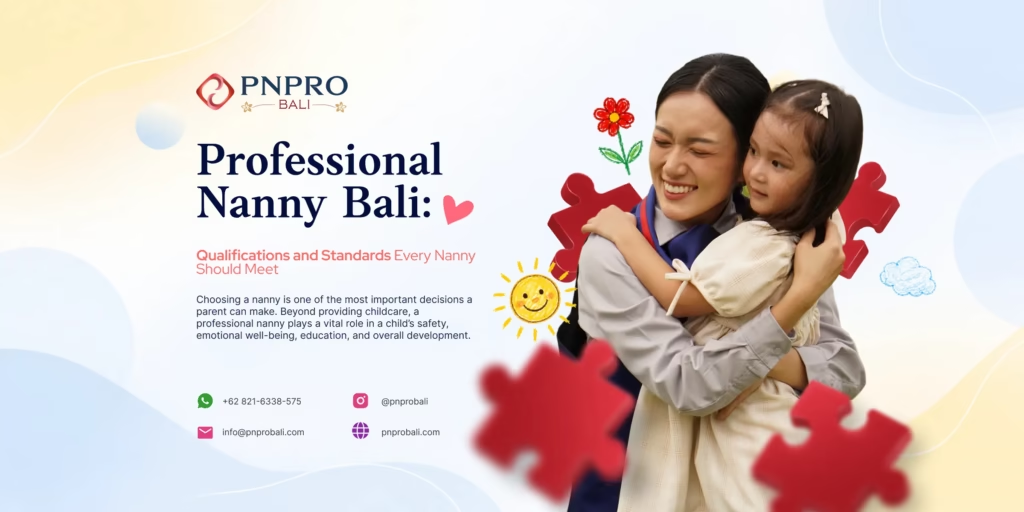
Professional Nanny Bali: Qualifications and Standards Every Nanny Should Meet
Choosing a nanny is one of the most important decisions a parent can make. Beyond providing childcare, a professional nanny plays a vital role in a child’s safety, emotional well-being, education, and overall development.

As demand for premium childcare services continues to grow, families are increasingly looking for qualified professionals rather than simply hiring based on availability or cost. Understanding the qualifications and standards that define a professional nanny can help parents make informed decisions and ensure their children receive the highest level of care.
What Defines a Professional Nanny?
A professional nanny is a trained childcare specialist who provides structured, reliable, and development-focused care for children. Unlike casual babysitters, professional nannies often possess formal childcare experience, specialized training, and a deep understanding of child development.
Their responsibilities may include:
- Supervising children’s daily activities
- Supporting emotional and social development
- Assisting with feeding and nutrition
- Managing routines and schedules
- Planning educational activities
- Maintaining a safe environment
- Communicating regularly with parents
A professional nanny becomes a trusted partner in a child’s growth journey.
Key insight: The difference between a casual babysitter and a professional nanny isn’t just experience — it’s structure, training, and a genuine understanding of how children grow and learn.
Essential Qualifications Every Professional Nanny Should Have
Relevant Childcare Experience
Experience remains one of the strongest indicators of childcare competency. Professional nannies should have experience caring for children within the specific age group they will support, whether newborns, infants, toddlers, preschool children, school-aged children, or teenagers.
Different developmental stages require different caregiving skills and approaches.
Knowledge of Child Development
A professional nanny should understand key developmental milestones and age-appropriate learning opportunities. This includes:
- Cognitive development
- Emotional development
- Language acquisition
- Physical development
- Social interaction skills
Understanding these areas allows a nanny to create meaningful activities that encourage healthy growth.
First Aid and Emergency Preparedness
Safety should never be negotiable. Professional nannies should possess basic knowledge of pediatric first aid, emergency response procedures, choking management, injury prevention, and basic health monitoring.
Parents should always verify whether a candidate has received formal safety training.
Strong Communication Skills
Communication is critical in maintaining trust between parents and caregivers. Professional nannies should be able to provide daily updates, report concerns immediately, follow instructions accurately, and maintain clear communication with both children and parents.
For international families, English-speaking capabilities may also be an important consideration.
Professional References
References help validate a nanny’s previous performance and reliability. A professional candidate should be able to provide references from previous employers who can confirm trustworthiness, reliability, childcare abilities, professional conduct, and long-term performance.
Reference checks are an essential part of the hiring process.
Personal Qualities That Matter
Technical qualifications are important, but personal characteristics often determine long-term success. The best nannies typically demonstrate:
The Importance of Background Screening
One major advantage of working with a professional nanny agency is access to structured screening procedures. These often include:
- Identity verification
- Employment verification
- Reference checks
- Interview assessments
- Childcare competency evaluations
- Behavioral assessments
Proper screening significantly reduces hiring risks.
Why Certification Matters
Certification demonstrates a commitment to professional standards and continuous learning. Certified nannies often receive training in child safety, infant care, early childhood education, developmental support, and professional caregiving practices.
While certification alone does not guarantee quality, it is often a positive indicator of professionalism.
Standards High-End Families Expect
Families seeking premium nanny services typically look for caregivers who can provide:
Luxury childcare services increasingly emphasize these standards.
Common Red Flags When Hiring
Parents should proceed carefully when candidates:
These warning signs may indicate potential concerns.
Why Professional Agencies Maintain Higher Standards
Professional nanny agencies invest significant resources in candidate screening and quality control. Their processes often include multi-stage interviews, skills assessments, background verification, performance monitoring, and ongoing support and training.
This structured approach helps ensure families receive consistent and reliable childcare services.
Final Thoughts
A professional nanny does far more than supervise children. They contribute to a child’s safety, development, confidence, and overall well-being.
When evaluating candidates, parents should focus on experience, qualifications, communication skills, professional references, and personal character. By selecting a nanny who meets high professional standards, families can create a safe, nurturing, and enriching environment for their children.
The right nanny is not simply a caregiver — they become a trusted partner in helping children learn, grow, and thrive.
Frequently Asked Questions
What qualifications should a professional nanny have?
A professional nanny should have relevant childcare experience for the specific age group, knowledge of child development, training in pediatric first aid and emergency preparedness, strong communication skills, and verifiable professional references.
What personal qualities matter most in a nanny?
Beyond technical qualifications, the best nannies demonstrate patience, empathy, reliability, flexibility, and professionalism — qualities that often determine long-term success in a caregiving role.
Why is background screening important when hiring a nanny?
Background screening, including identity verification, employment verification, reference checks, and behavioral assessments, significantly reduces hiring risks and helps ensure families receive consistent, reliable, and trustworthy childcare.
What are common red flags when hiring a nanny in Bali?
Common red flags include an inability to provide references, inconsistent employment histories, avoidance of detailed interview questions, lack of childcare-specific experience, poor communication, and limited understanding of child development.